Research
The effect of inflammation on acute behavioural change and neurodegeneration
Inflammation is one of the body's most powerful tools, but when it gets out of control it can damage the very tissues it is meant to protect. The brain is particularly vulnerable. A growing body of evidence links runaway inflammation to a wide range of conditions that affect how we think, remember, and function, from the cognitive problems that follow surgery, infection, or head injury, through to long-term neurodegenerative diseases such as Alzheimer's. Despite this, there are very few treatments that specifically target inflammation in the brain.
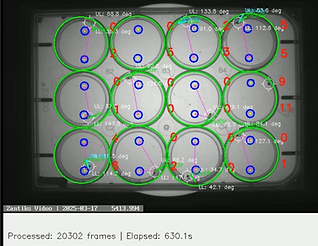
My research asks how inflammation drives damage to the brain, and what we can do to stop it. To answer this, I use an Drosophila melanogaster or the fruit fly. Flies share many of the immune pathways that drive inflammation in humans, but they are small, short-lived, and easy to study genetically. This means I can test new treatments and dissect biological mechanisms far faster than would be possible in larger animals.
I use the flies to screen a new class of lipid-based therapeutics designed to calm inflammation in the brain. I also use genetic tools to pin down exactly which parts of the immune system are responsible, with the goal of guiding future therapies toward the right targets.